Our 3D
Collection
Explore a curated selection of digital antiquities. Each piece is a high-fidelity restoration of historical fragments from the Mesopotamian marshlands.
View in AR
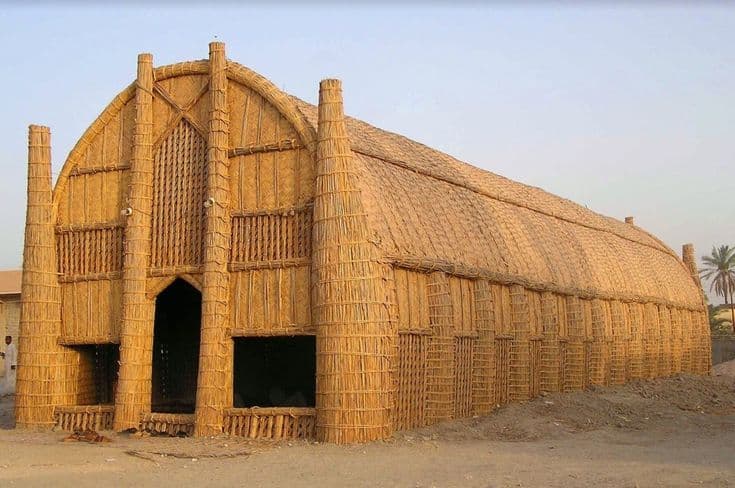
Al-Mudhif
An architectural marvel made entirely of reeds and mud. This 3D model allows you to walk through the grand arches of a traditional guest house, reconstructed from 1950s surveys of the southern Iraqi marshes.
View in AR
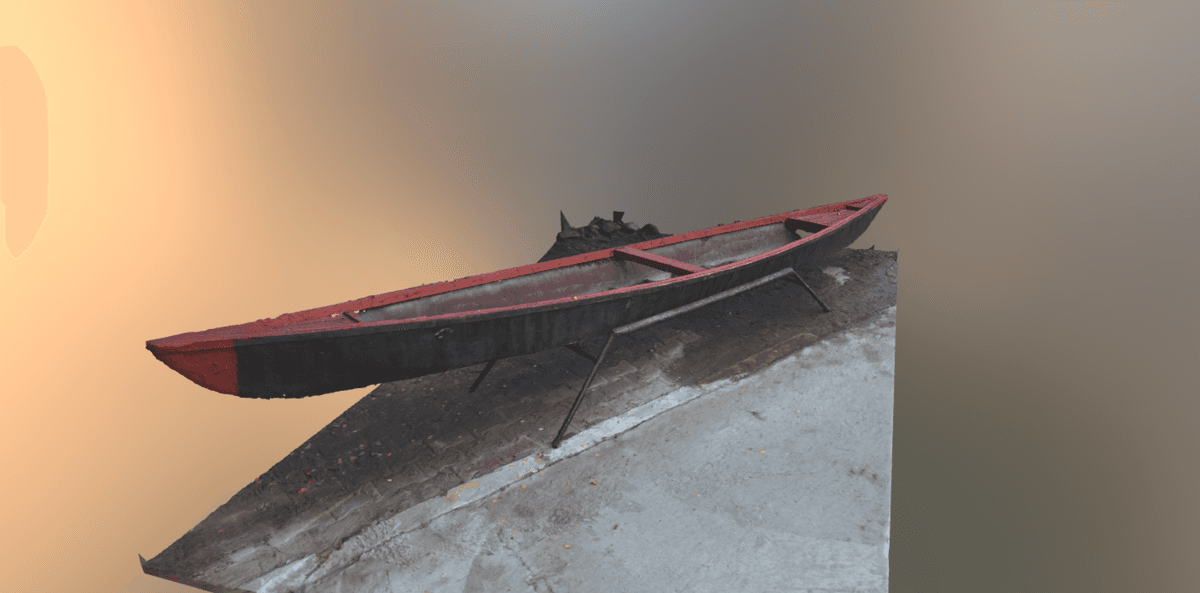
The Mashhoof
Navigate the waterways with this detailed model of a Mashhoof, the traditional canoe of the Marsh Arabs. Its sleek, tar-coated design has remained unchanged for millennia, gliding silently through the wetlands.
View in AR
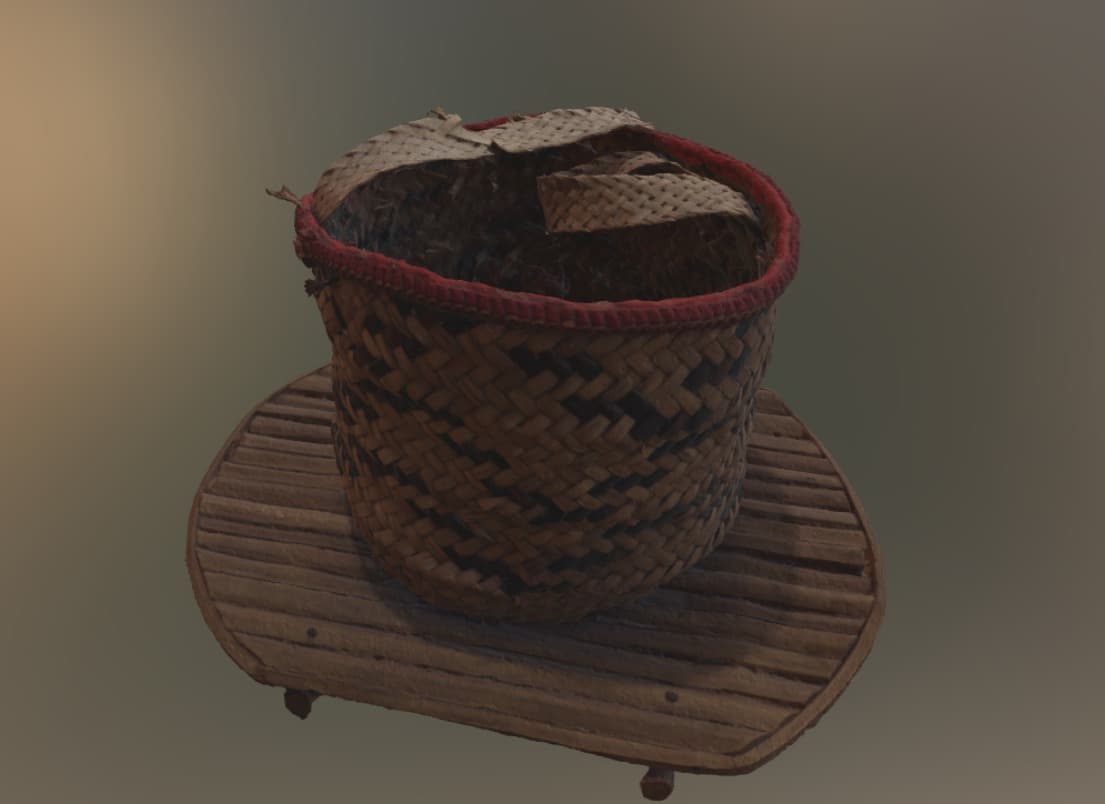
The Reed Basket
Woven by hand from the abundant reeds of the marshes, this basket represents one of the oldest craft traditions of the Marsh Arabs. Each pattern encoded family lineage and tribal identity passed down through generations.
View in AR
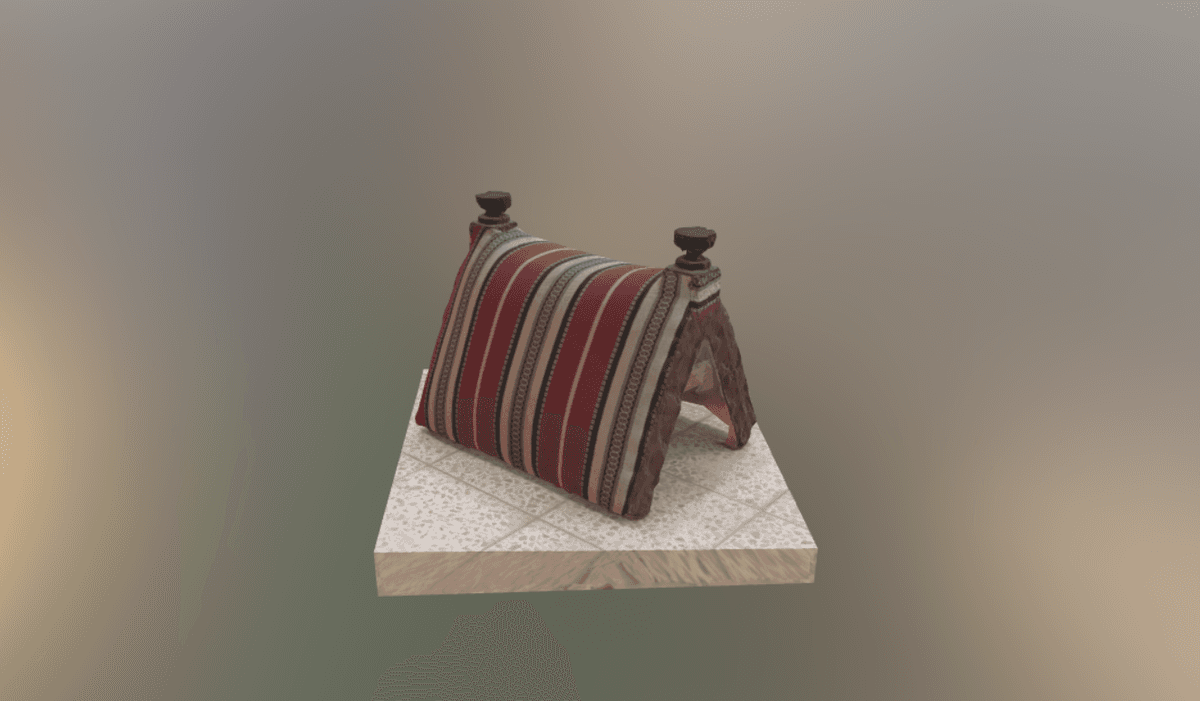
The Camel Chair
A finely crafted camel saddle chair used by the desert-dwelling tribes on the edges of the marshlands. This ornate seat blends Bedouin woodworking and leatherwork, a symbol of status and long journeys across ancient trade routes.
View in AR
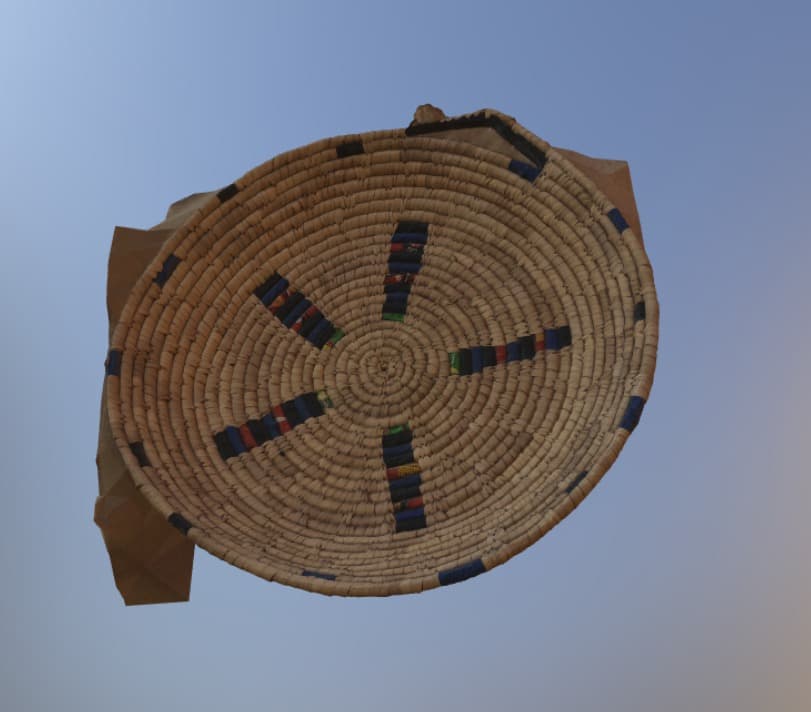
The Ceremonial Food Tray
Used in communal gatherings within the Mudhif, this large wooden serving tray features intricate carvings representing fertility and abundance. Sharing food from a single tray was a cornerstone of Marsh Arab hospitality.
View in AR
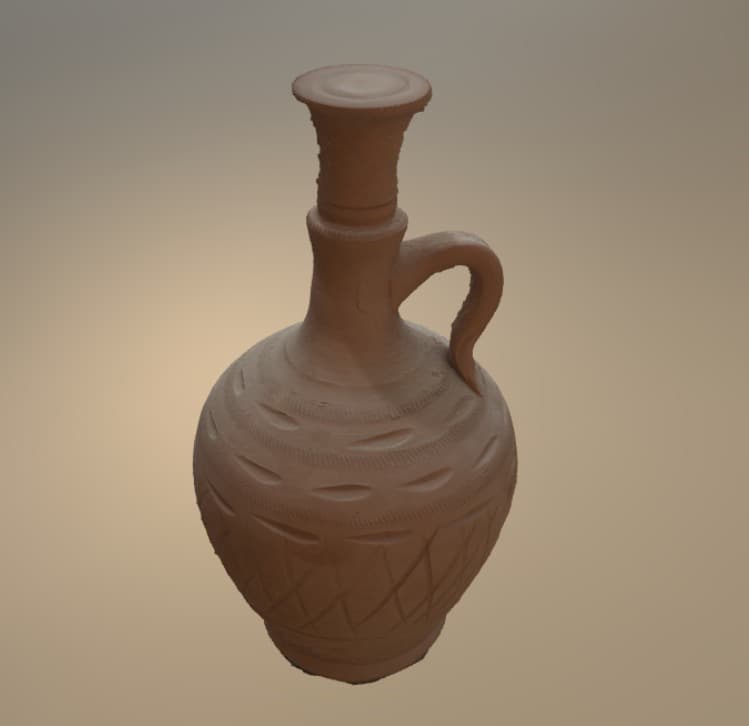
The Clay Storage Jar
Handcrafted from the rich alluvial clay of the Mesopotamian floodplains, this storage jar was essential for preserving grain, oil, and water. Its form has changed little since the earliest Sumerian settlements 6,000 years ago.
View in AR
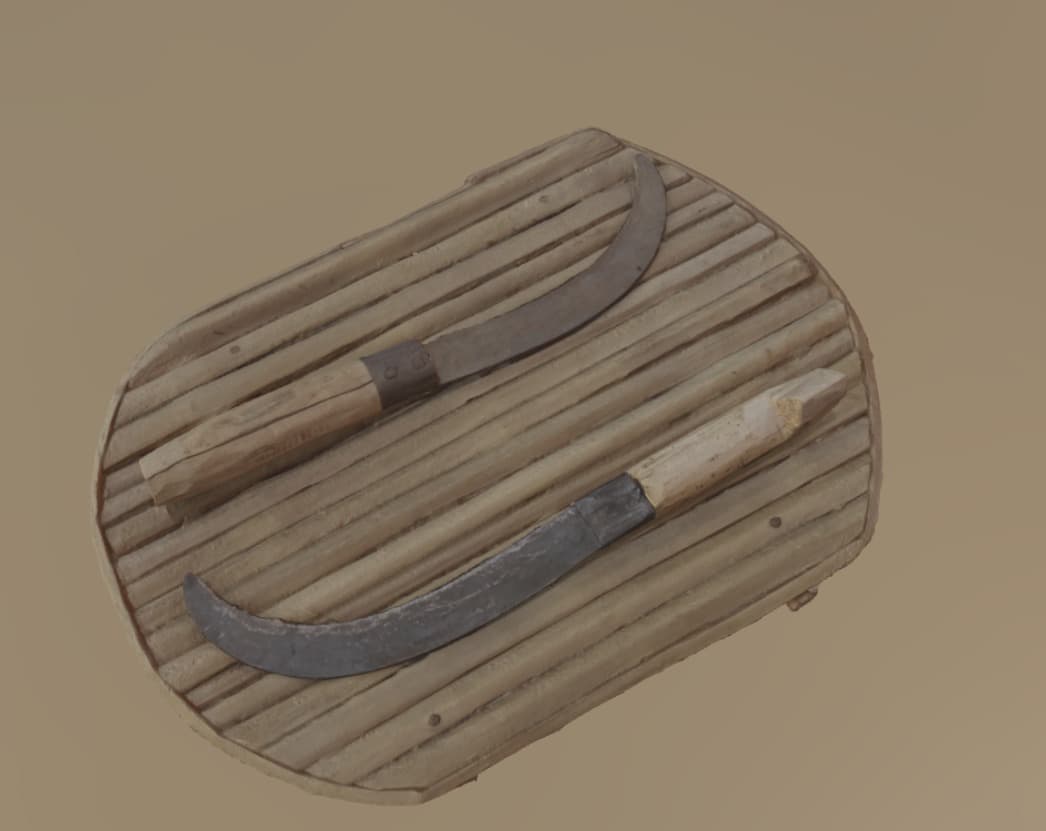
The Minjal
A traditional sickle-shaped harvesting tool used by the Marsh Arabs to cut reeds for construction and weaving. The Minjal's curved iron blade and wooden handle exemplify the functional ingenuity born from centuries of life in the marshes.
View in AR
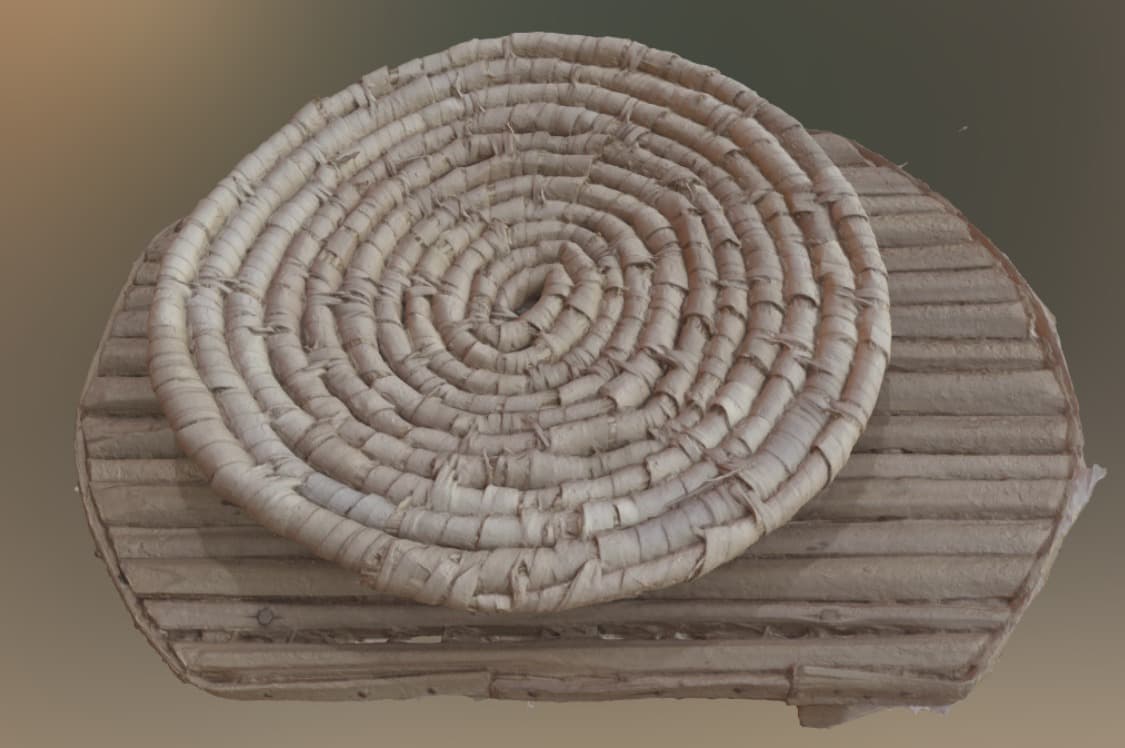
The Painted Plate
This ceremonial clay plate, adorned with geometric patterns in natural pigments, was used during seasonal festivals along the Tigris and Euphrates. Each motif carries symbolic meaning connecting the marsh community to the cosmos and the river's annual flood cycle.
View in AR
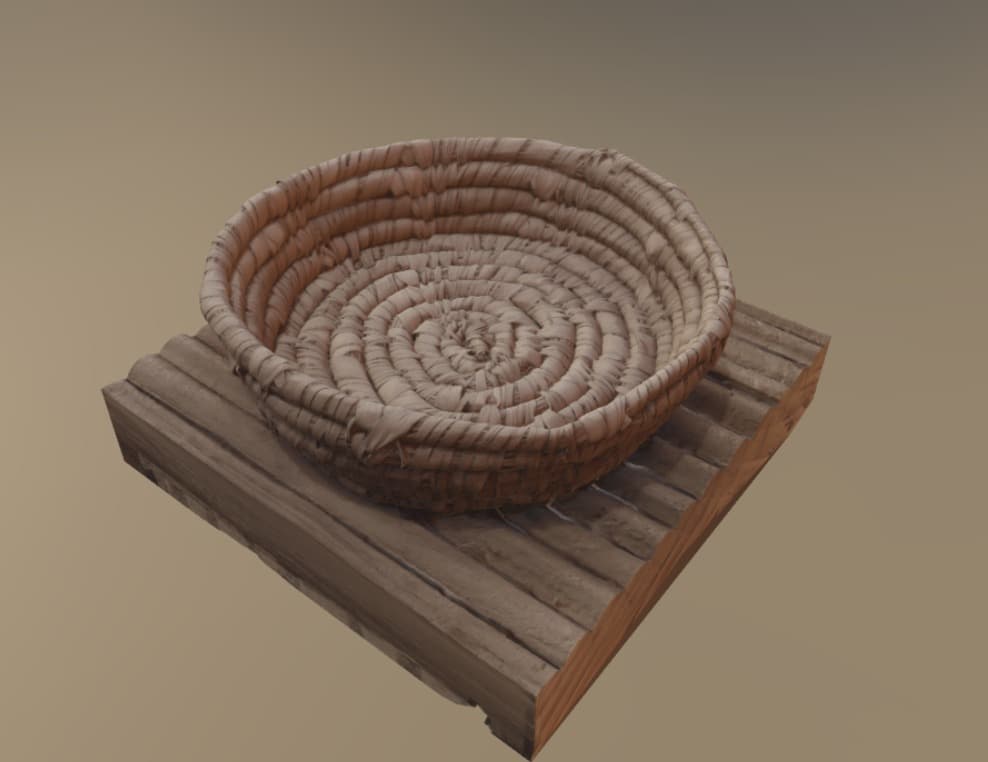
The Qusa
A round coracle boat woven from reeds and sealed with bitumen, the Quffa has navigated Mesopotamian rivers since antiquity. Referenced in ancient texts and depicted on Assyrian reliefs, it remains one of humanity's oldest watercraft designs still in use.
View in AR
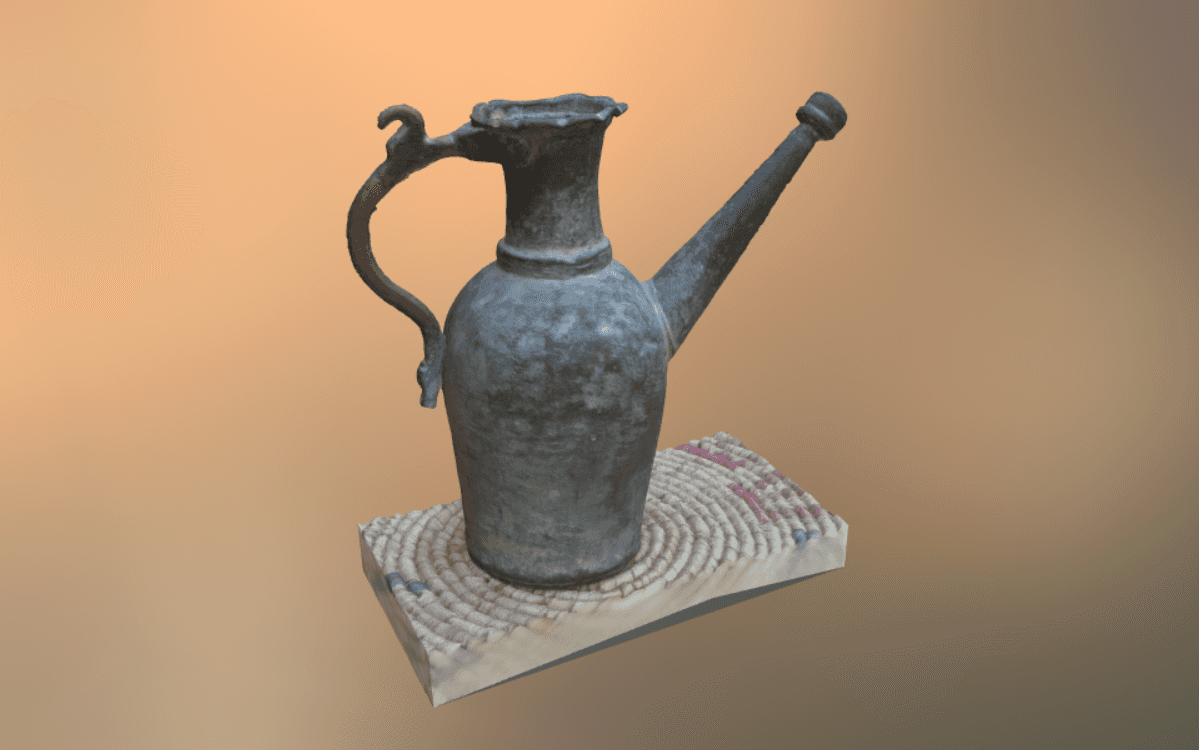
The Abriq
A traditional water jug known as the Abriq, widely used for washing and serving water. Its distinctive spout and handle design showcase classic Middle Eastern metalwork.
View in AR
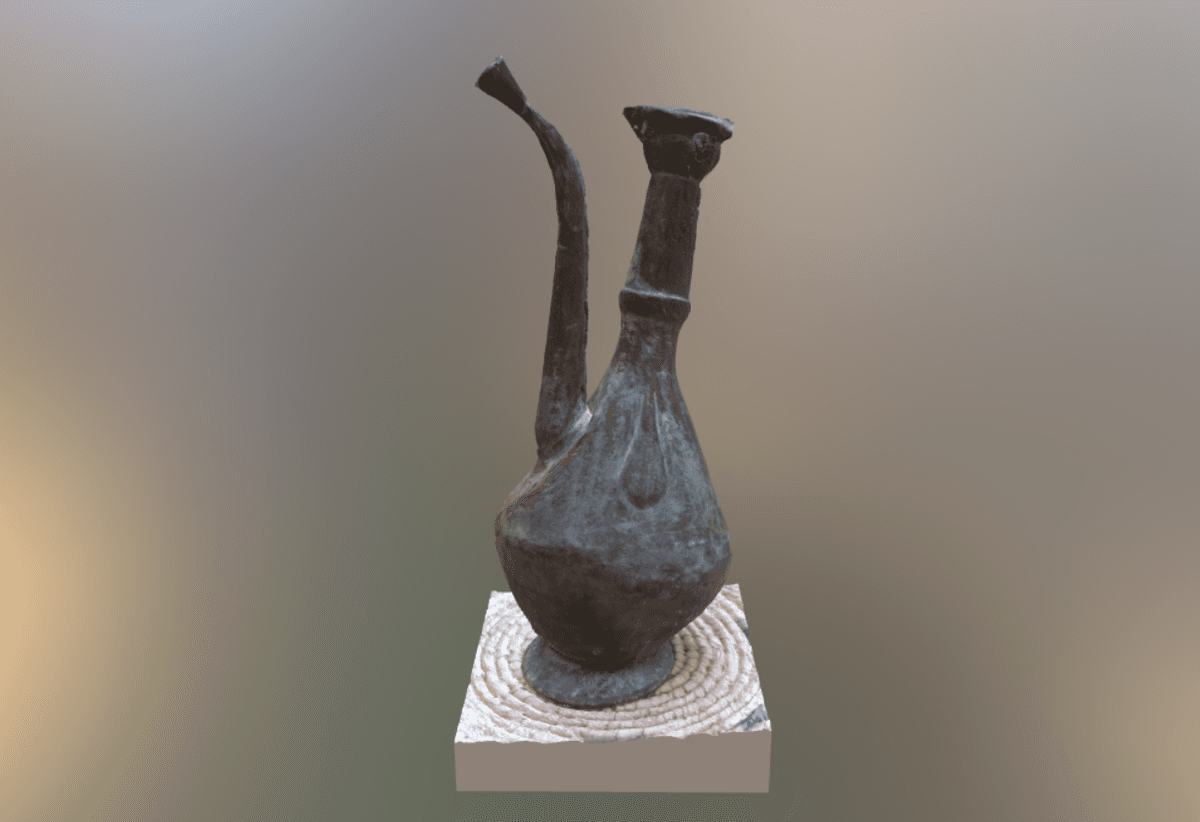
The Copper Abriq
Another beautiful variation of the traditional Abriq, reflecting regional craftsmanship. Such vessels were essential for hospitality and daily life in Mesopotamian homes.
View in AR
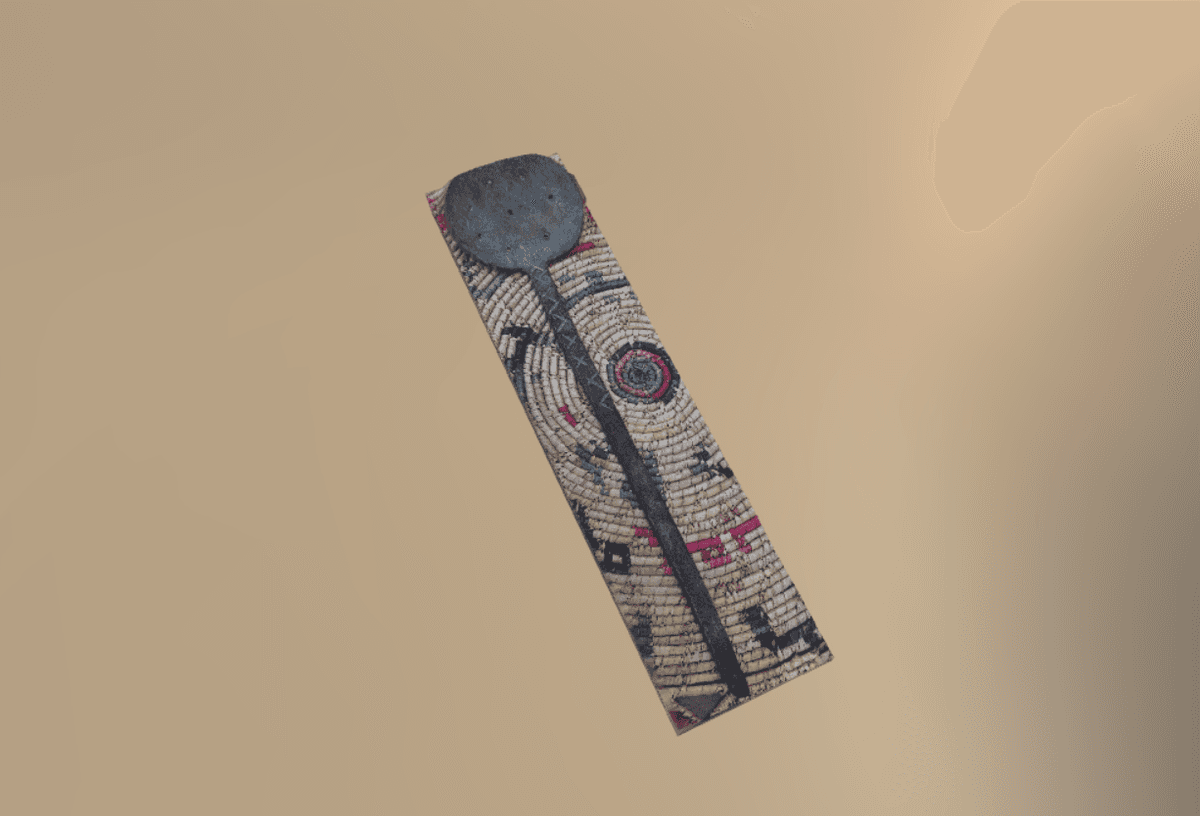
The Chafcheer
A large traditional serving ladle or skimmer known locally as Chafcheer or Chamcha. Crafted from sturdy metal, it is an essential utensil for preparing large communal meals.
View in AR
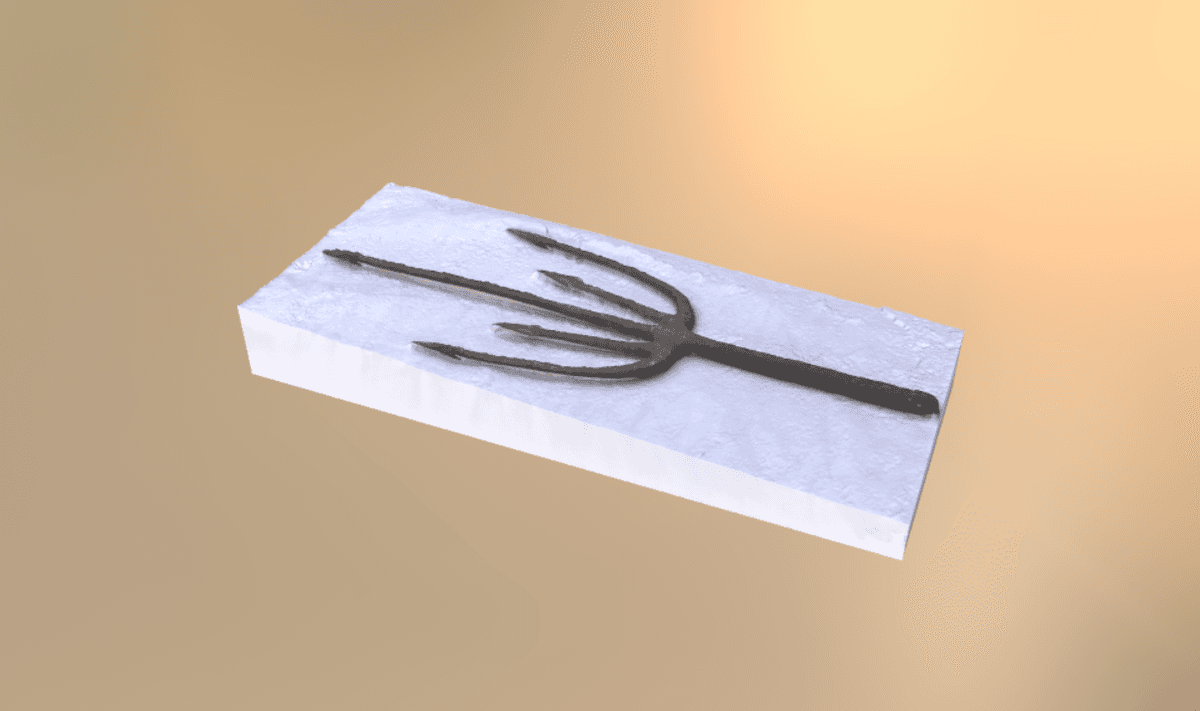
The Falah
A multi-pronged traditional spear used by the Marsh Arabs primarily for fishing in the shallow waters of the Mesopotamian marshes. A vital tool for their aquatic livelihood.
View in AR
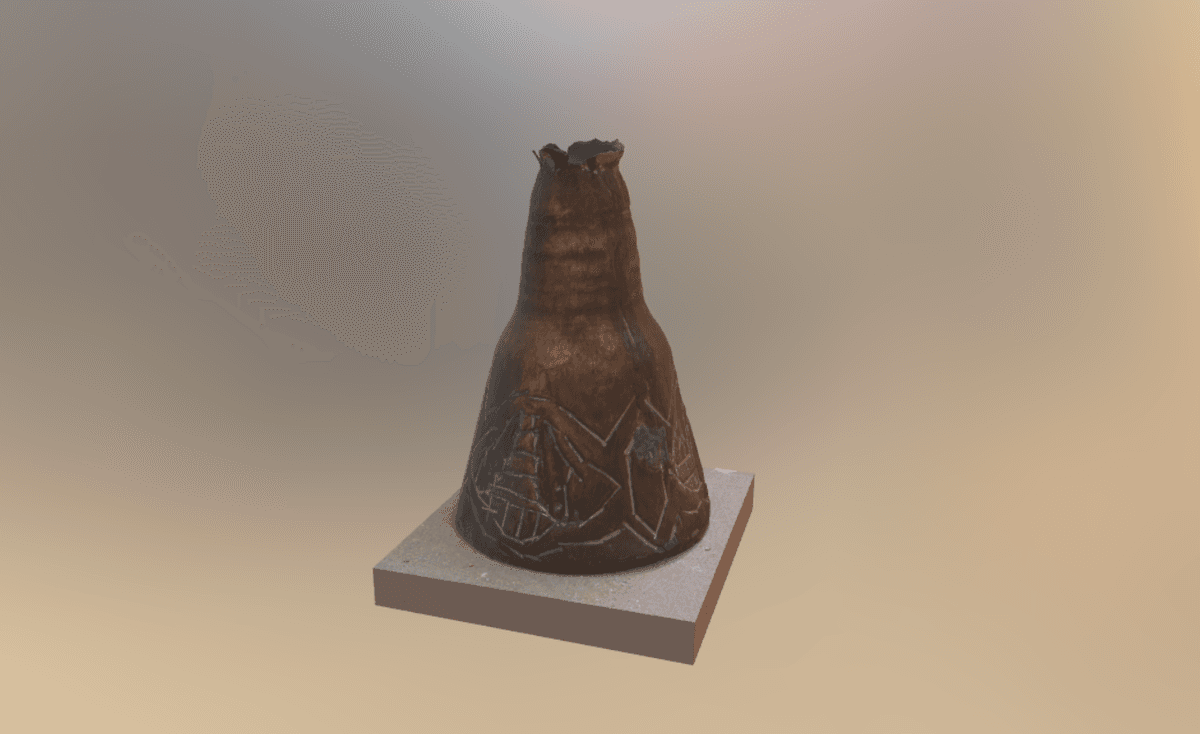
The Traditional Glass
A beautifully detailed glass artifact, representing the long history of glassmaking and daily tableware used in the region.
View in AR
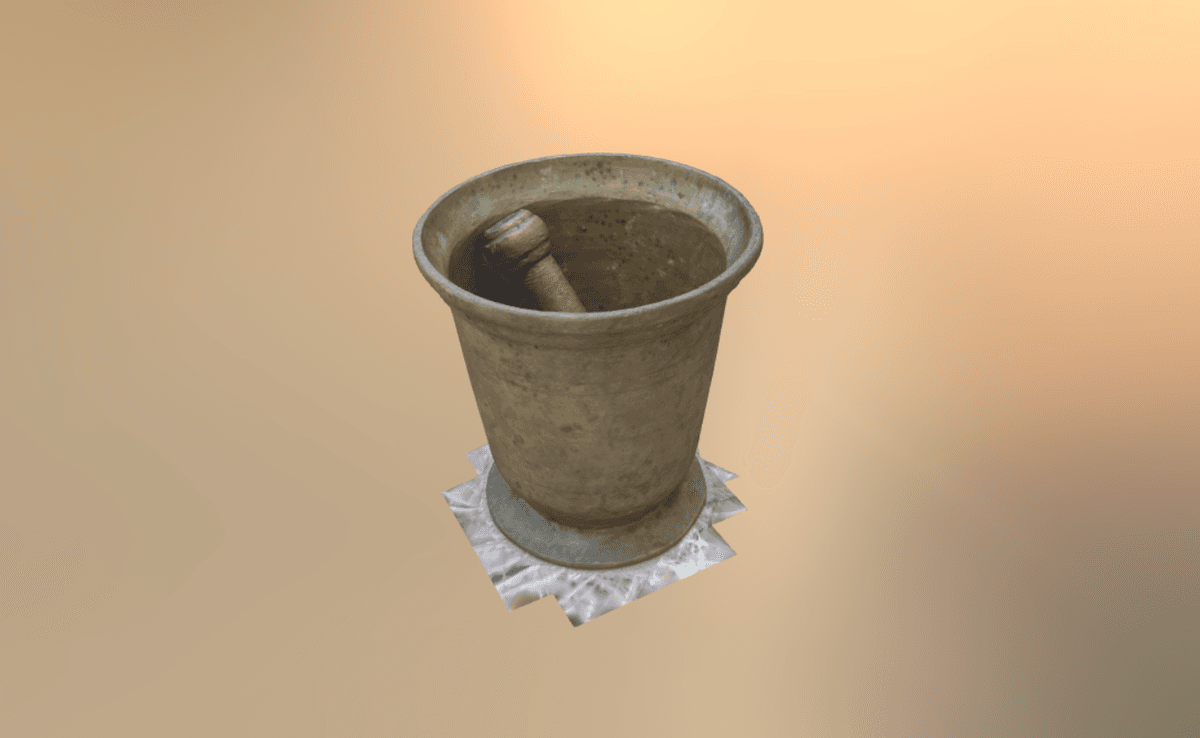
The Hawan
A traditional heavy mortar known as the Hawan. Used for grinding coffee beans, spices, and grains, its rhythmic pounding is a familiar sound in Iraqi hospitality.
View in AR
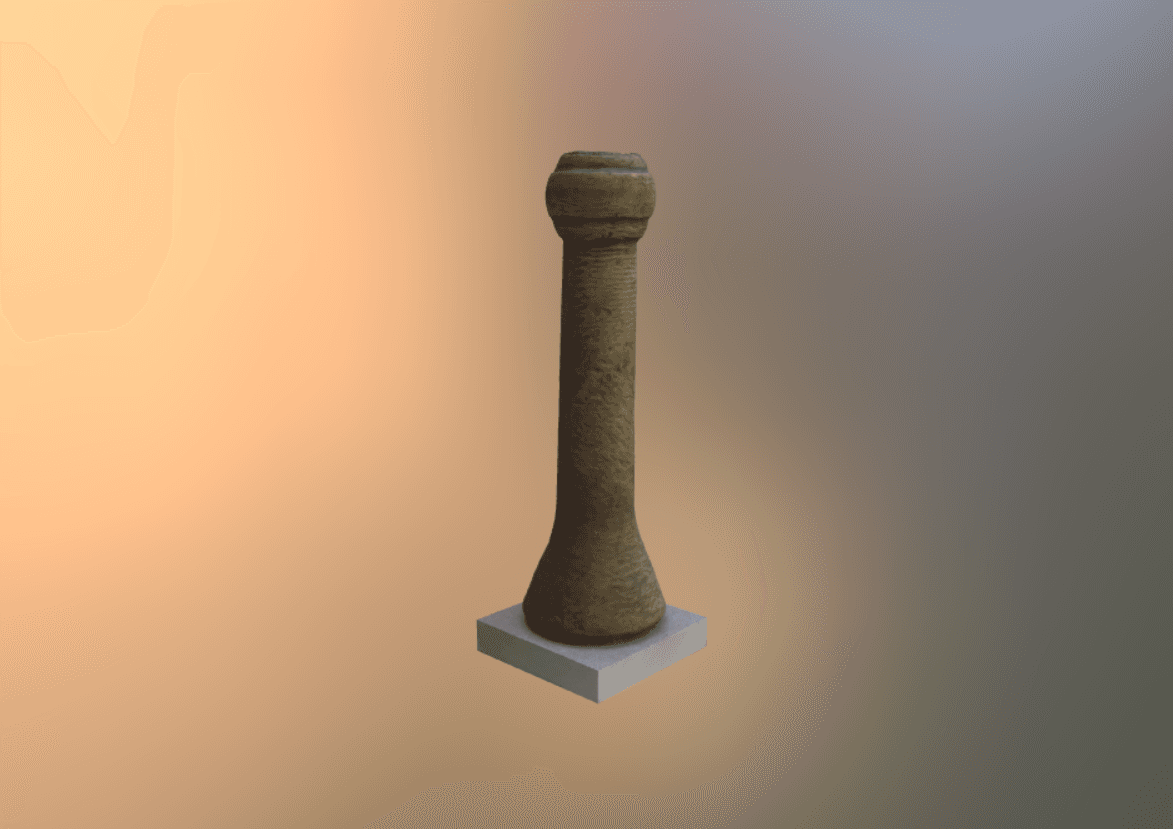
The Hawan Pestle
The solid hand or pestle used alongside the Hawan mortar. Crafted for weight and durability to efficiently grind ingredients for traditional recipes.
View in AR
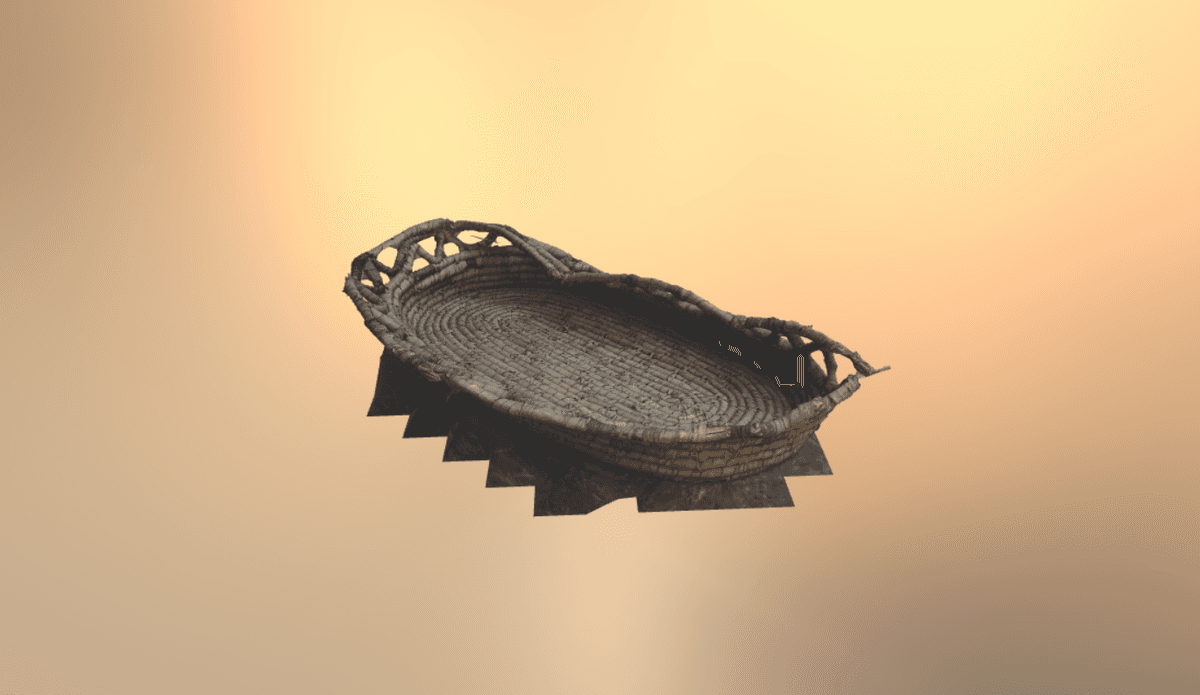
The Karook
A traditional wooden baby cradle known as the Karook. Its simple yet effective rocking design has gently swayed generations of infants to sleep.
View in AR
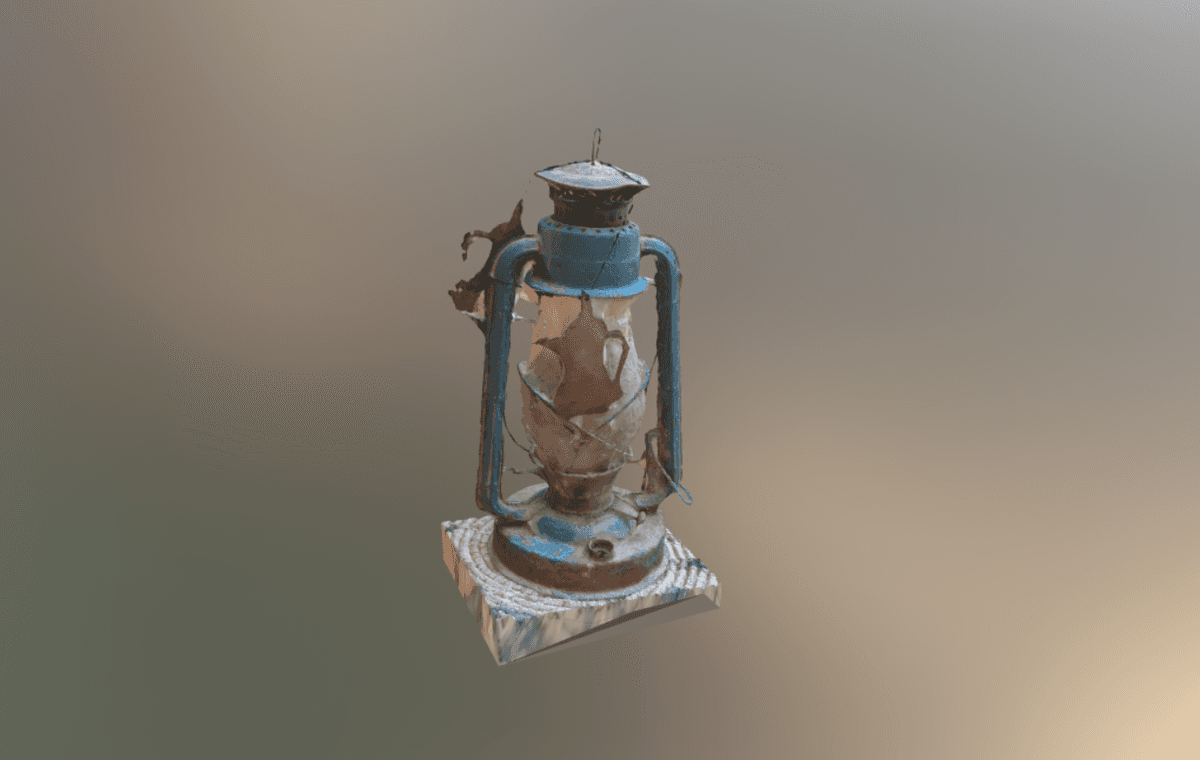
The Lala Lamp
A traditional kerosene lamp known as 'Lala'. Before widespread electricity, these lamps illuminated homes and Mudhifs, casting a warm glow over evening gatherings.
View in AR
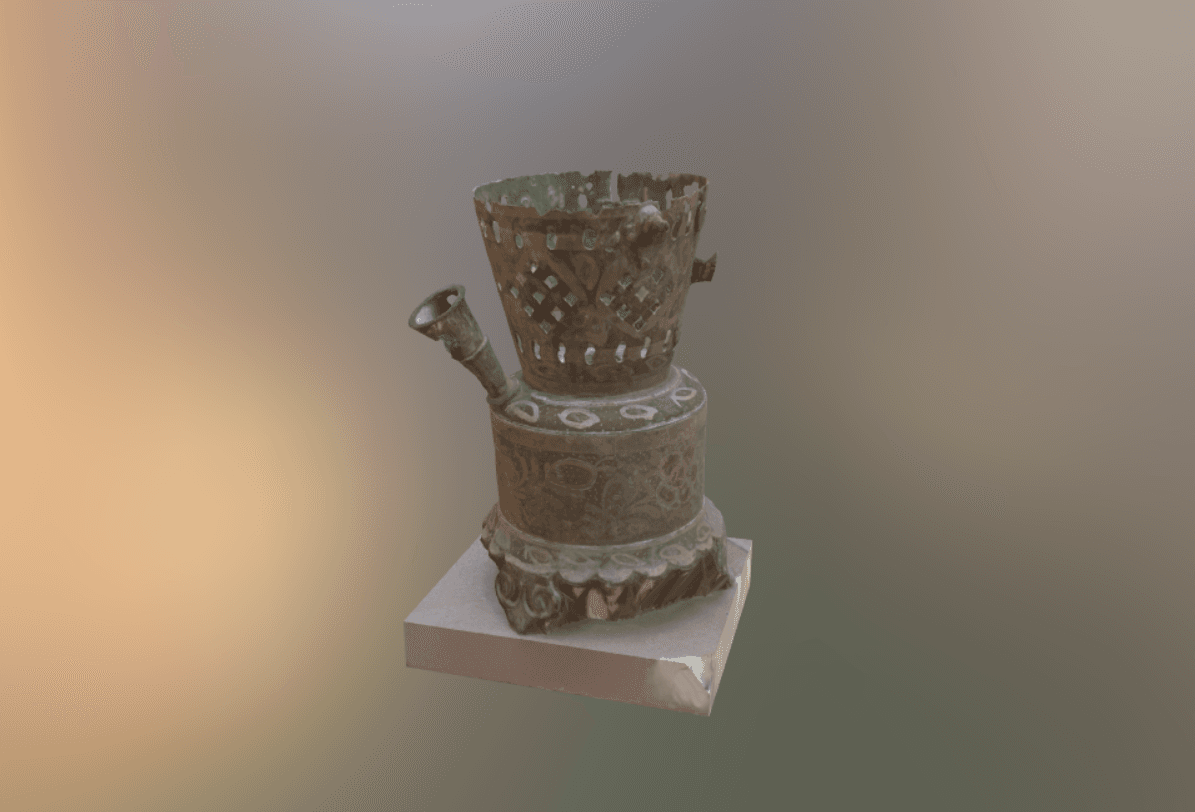
The Mabkhara
An ornate traditional incense burner used to burn fragrant woods like oud. Presenting the Mabkhara is a symbol of welcoming and honoring guests in Arab culture.
View in AR
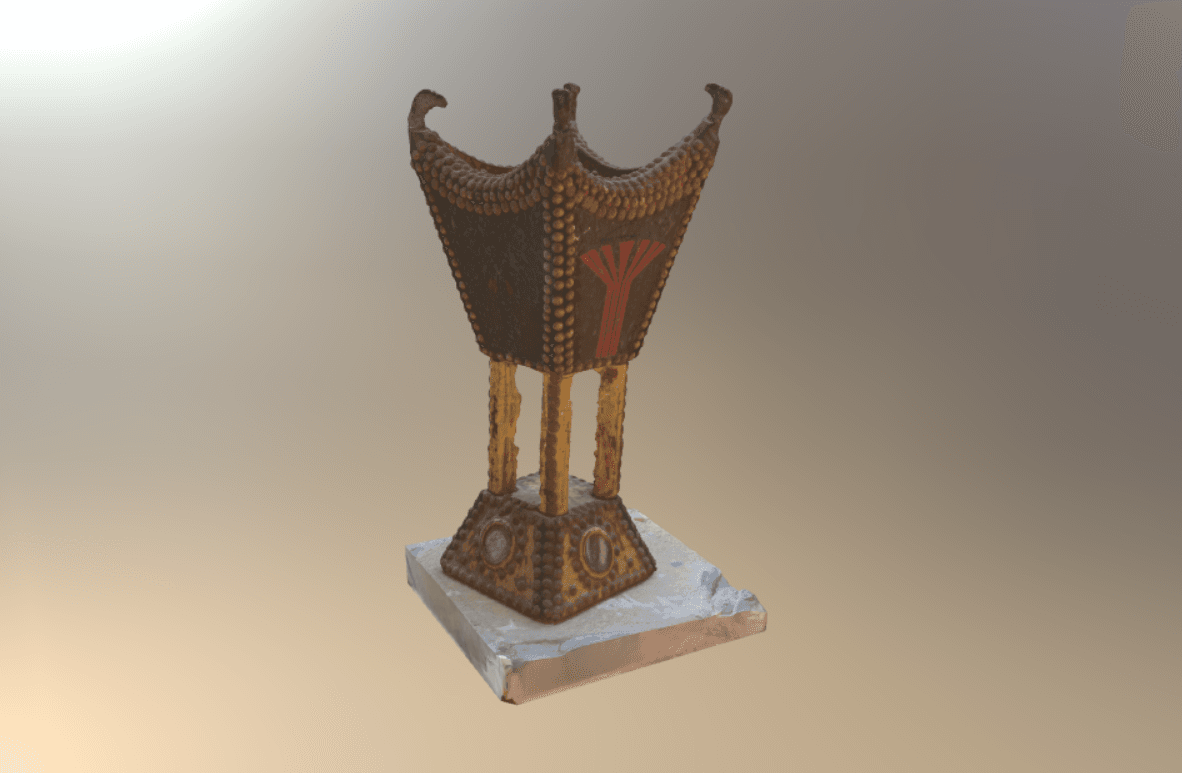
The Ceremonial Mabkhara
A variation of the traditional incense burner featuring different decorative motifs. Such items showcase the artistic heritage and importance of scent in local traditions.
View in AR
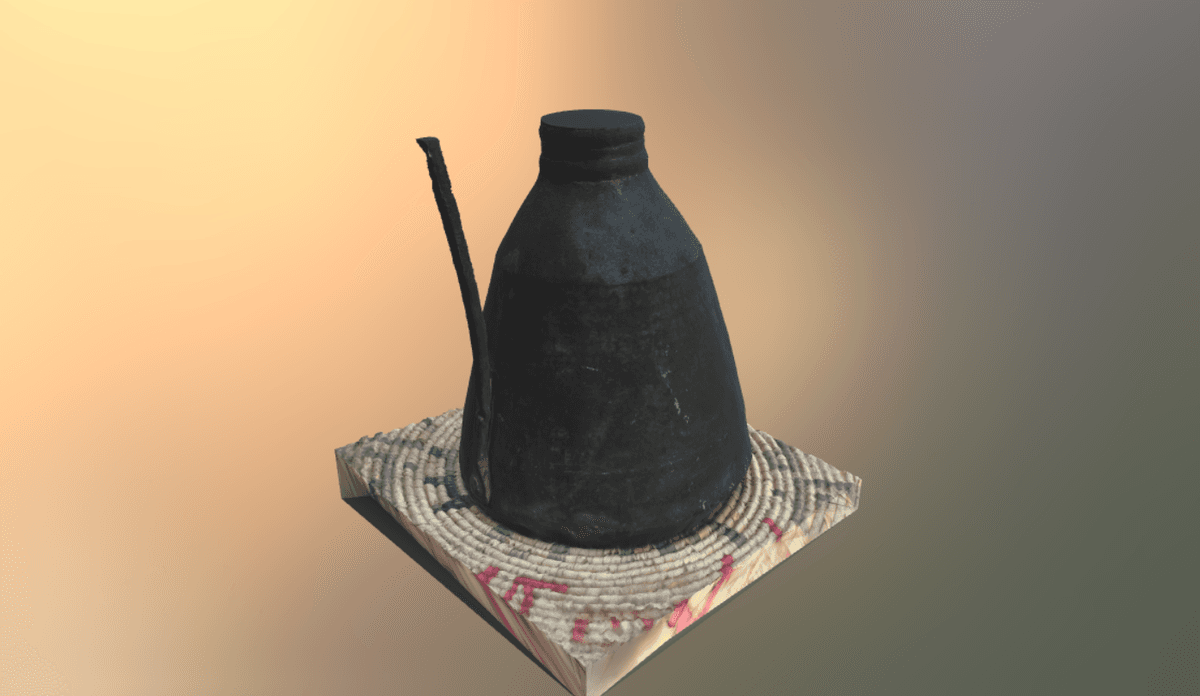
The Maskhanah
A traditional clay water jug designed to keep water naturally cool through evaporation. Its porous clay construction is perfectly adapted to the hot climate.
View in AR
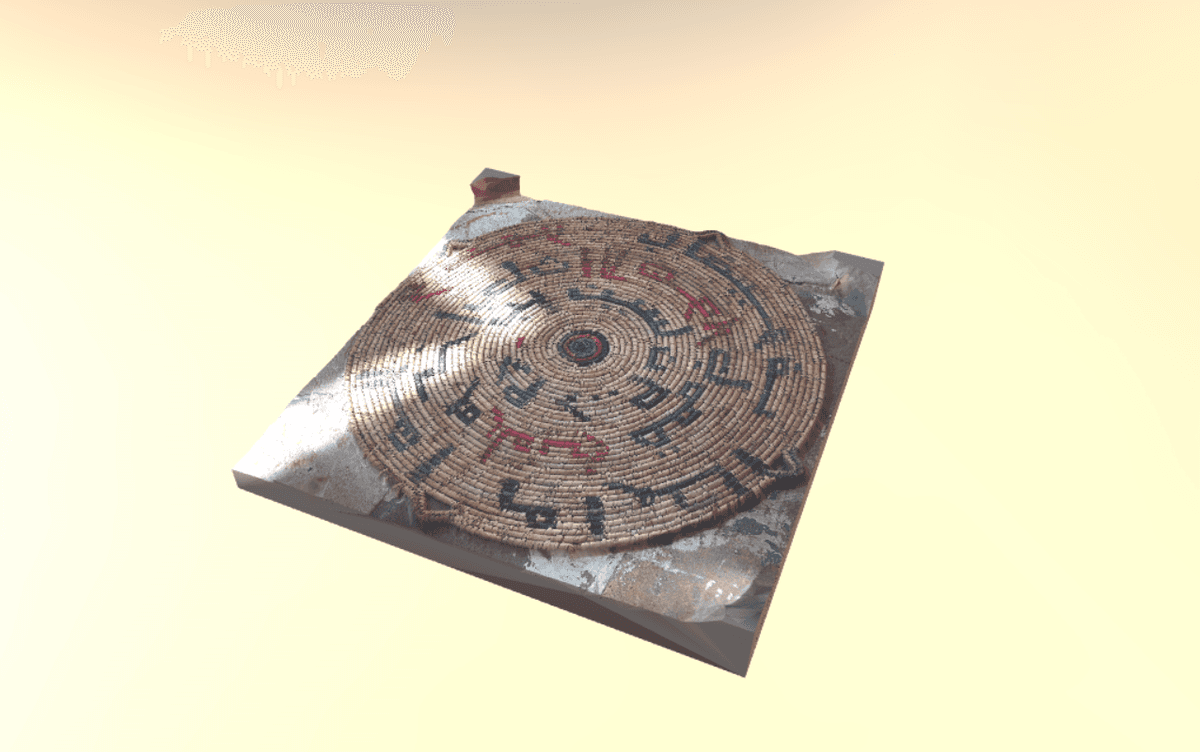
The Woven Tray
A large, beautifully woven reed tray. These trays are versatile items used for winnowing grains, drying fruits, or serving food in traditional homes.
View in AR
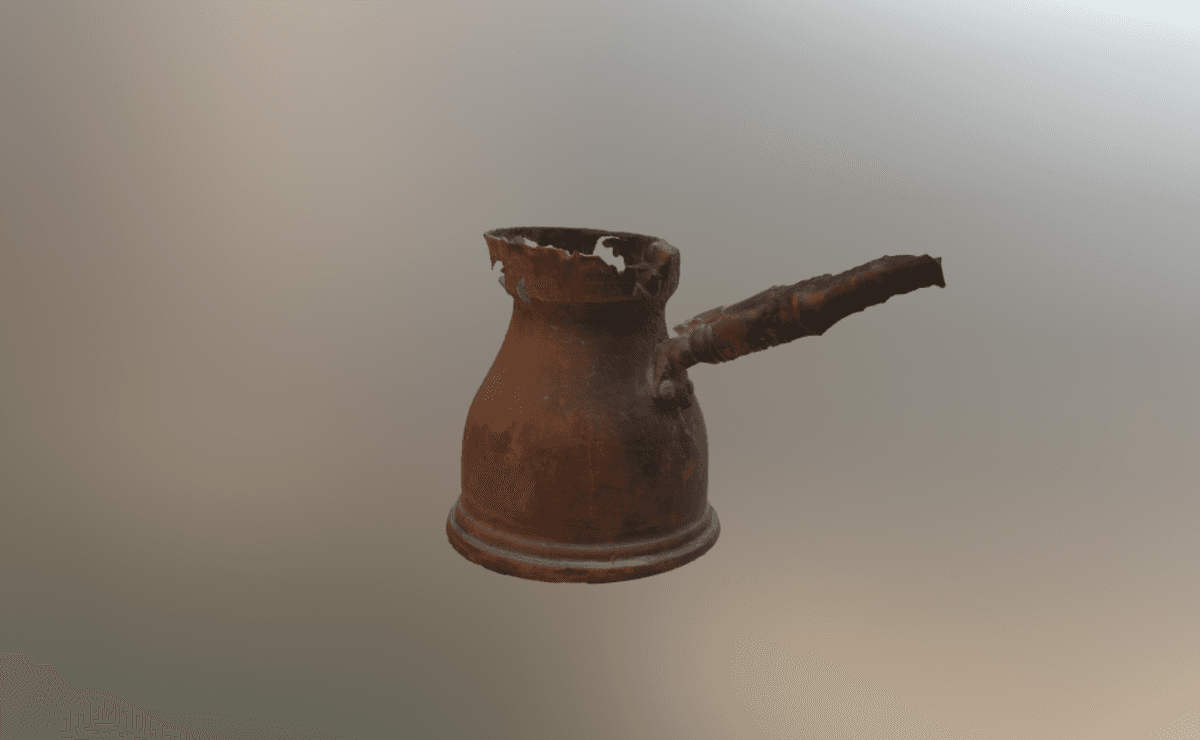
The Riguah
A traditional artifact known as the Riguah, an integral part of historical daily life and rural customs in the Mesopotamian region.
View in AR
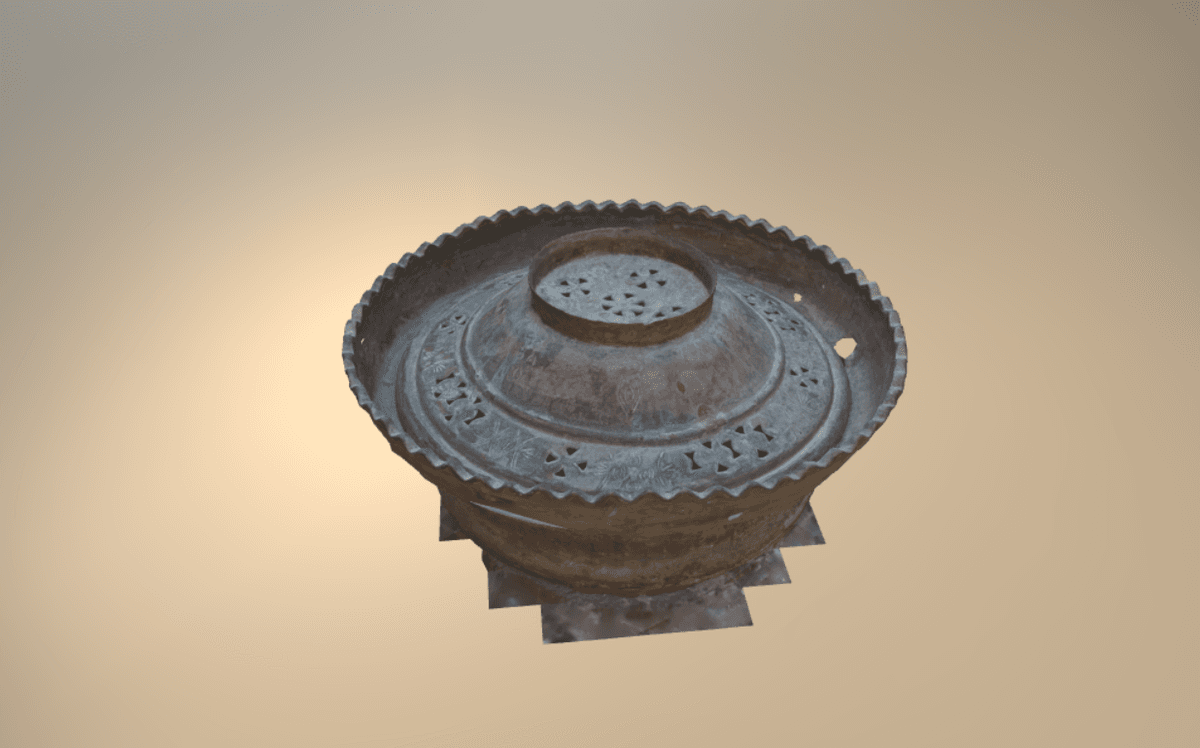
The Salabcha
A distinctively crafted traditional object representing the practical ingenuity and aesthetic preferences of local artisans.
View in AR
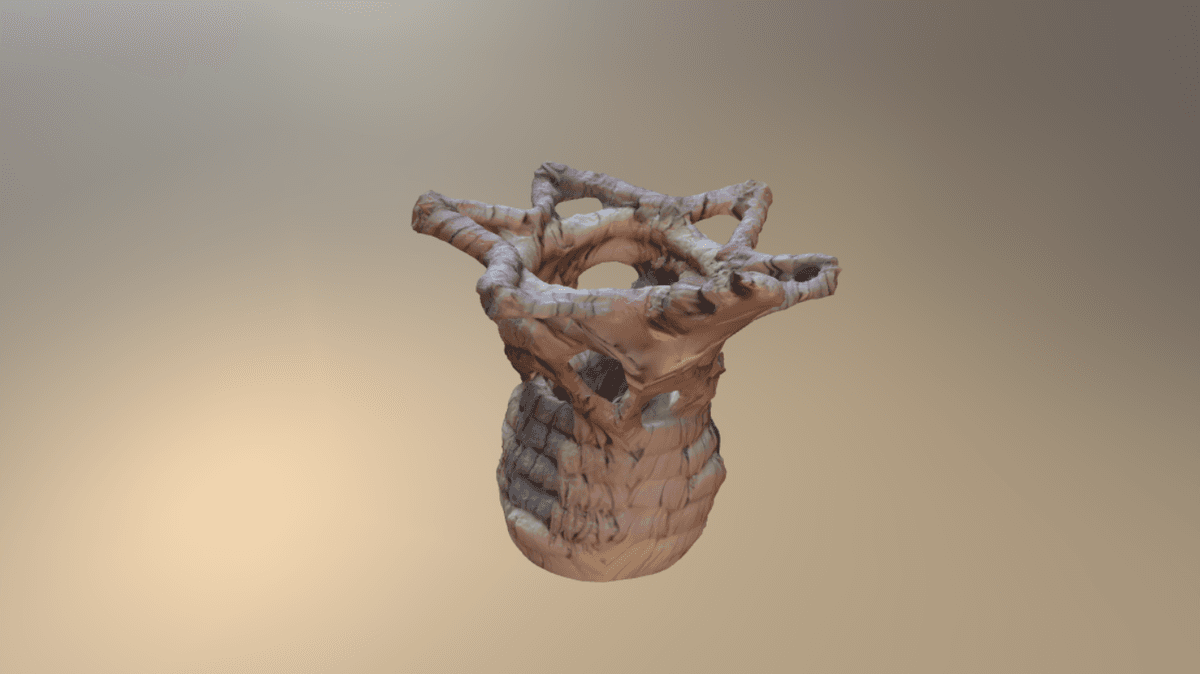
The Sallah
A traditional woven basket made from palm fronds or marsh reeds. Essential for carrying goods, dates, or personal belongings.
View in AR
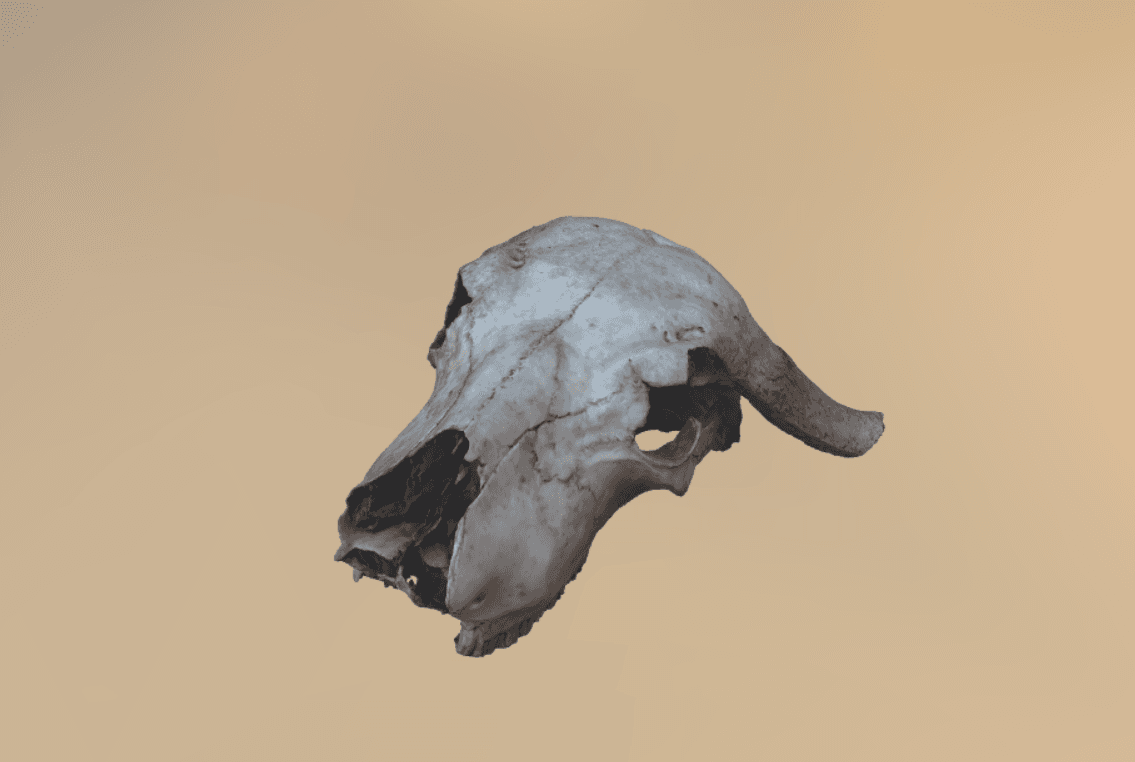
The Animal Skull
An animal skull artifact, likely from local livestock such as a water buffalo, holding cultural or decorative significance in the rural landscape.
View in AR
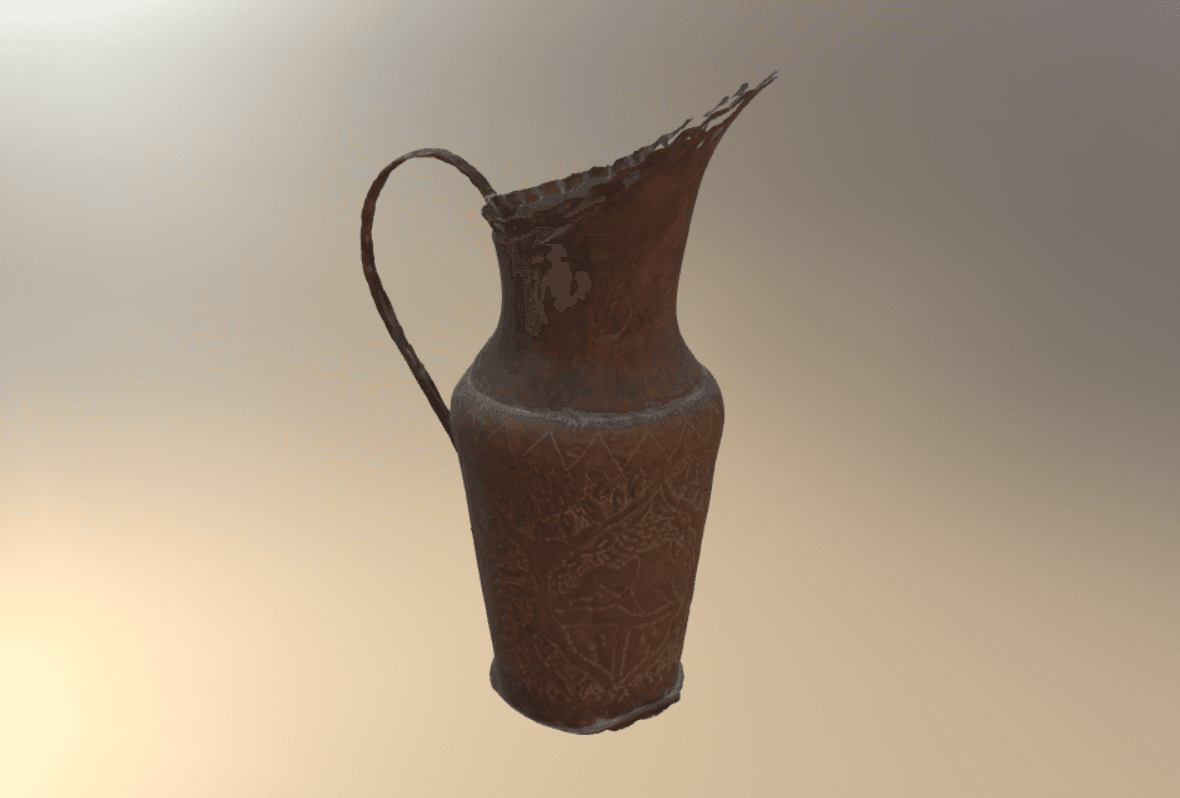
The Ceramic Water Jug
A classic ceramic water vessel, illustrating the timeless pottery traditions of Mesopotamia, designed to store and cool drinking water.