History Of The Marshes
From the cradle of Sumerian civilization to a UNESCO World Heritage Site—six thousand years of water, reeds, and resilience.
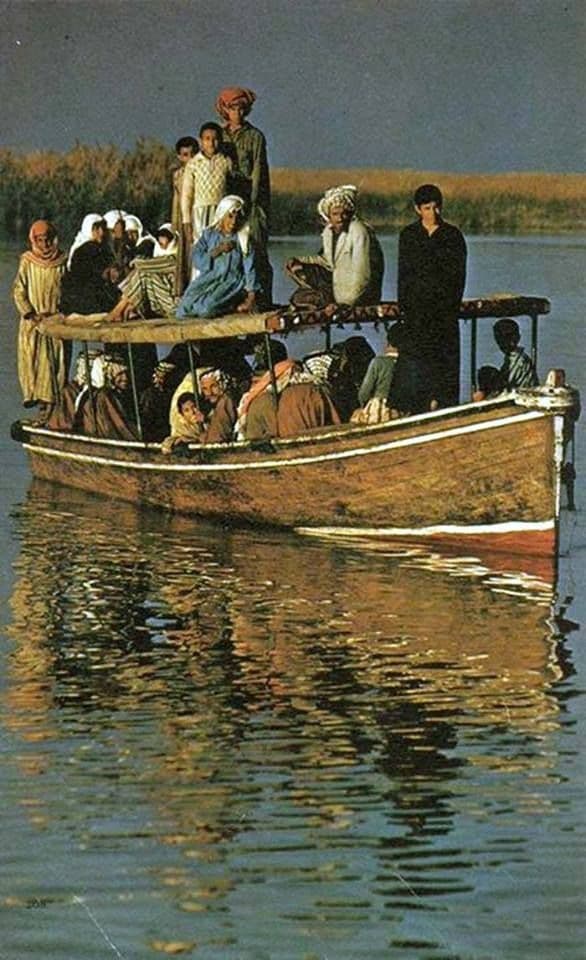
The Sumerian Cradle
Dawn of Civilization · 4000 BC
The Iraqi Marshes are believed to be the first home of Sumerian civilization, dating back to around 4000 BC. Historians believe the Sumerians settled these wetlands and drew from them the arts of architecture and boat-building that seeded urban civilization itself.
The Mashhoof—the traditional canoe still used today—is a refined descendant of Sumerian vessels depicted on ancient cylinder seals. And the Mudhif, the iconic reed guesthouse, has remained architecturally unchanged for thousands of years: a living monument to the ingenuity of the world's first builders.
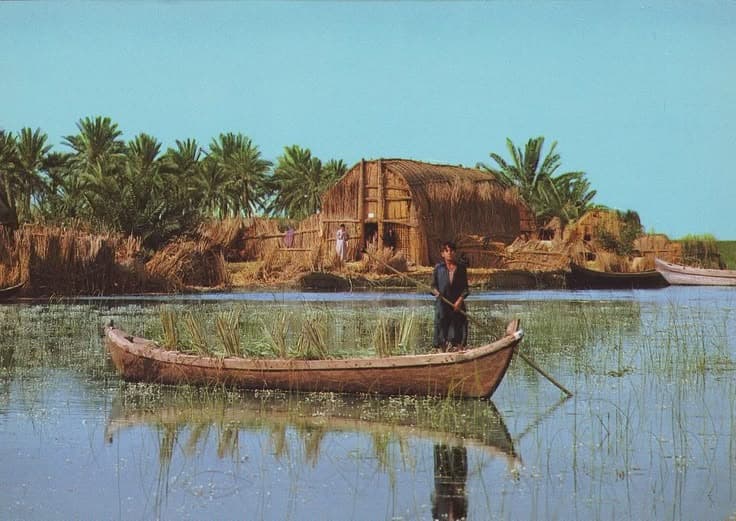
The Garden of Eden
Where Rivers Meet
Many archaeologists and biblical scholars believe the confluence of the Tigris and Euphrates—where the marshes sit—is the closest geographic match to the historical Garden of Eden. The abundance of water, plants, birds, and wildlife described in ancient texts mirrors the marshes' extraordinary biodiversity.
During the Islamic golden ages, the marshes were known as Al-Bata'ih—vast expanses of water and reeds stretching between Basra, Kufa, and Wasit. Their impenetrable terrain made them a refuge for dissident movements; the 9th-century Zanj Revolt used the marshes' labyrinthine channels as a fortress no army could easily breach.
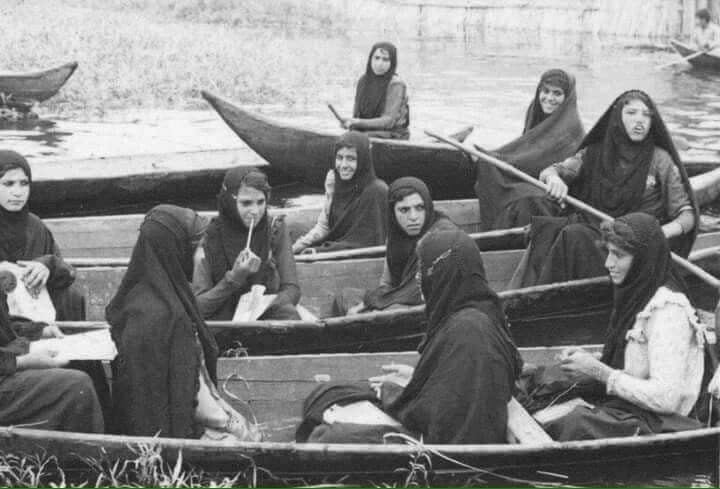
The Ma'dan People
A Living Museum
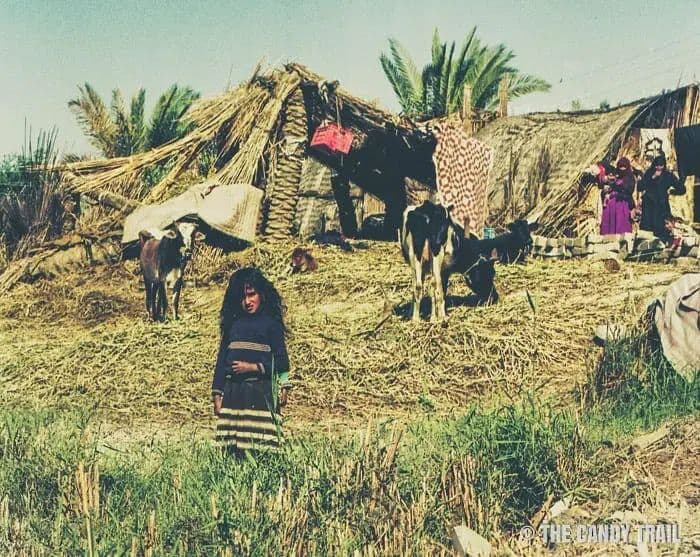
The Ma'dan—the marsh Arabs—have maintained a continuous way of life spanning thousands of years, making them a living archive of human history. Their dialect still carries Sumerian and Akkadian vocabulary, preserved in the names of birds, fish, and fishing tools used every day.
Water is not merely a resource for the Ma'dan—it is identity. Travel, marriage, and even funerals all pass through the Mashhoof. The Mudhif, built entirely from reeds without a single nail, stands as perhaps the world's oldest continuously practiced architectural tradition.
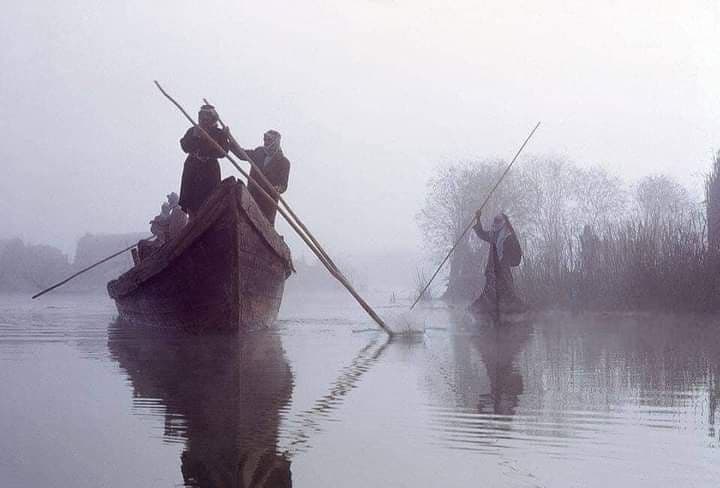
Ecology & Wildlife
The World's Rest Stop
The marshes are the most critical stopover on the migratory flyway between Siberia and Africa—a global crossroads for hundreds of bird species including the rare Iraq Babbler and Little Grebe. They are also Iraq's primary source of freshwater fish, with species like Binni, Gattan, and Shabbot sustaining local communities for millennia.
The water buffalo is the keystone animal of marsh life—grazing on reeds and papyrus, providing milk, meat, and labor. The marshes also produce Iraq's most prized dairy product: Geymar al-Arab, the rich water-buffalo clotted cream beloved across the country.
Draining & Destruction
90% Lost · The 1990s
In the 1990s, the marshes faced a deliberate and systematic campaign of drainage that destroyed over 90% of their area for political and security reasons. Vast wetlands turned to barren salt flats overnight. Tens of thousands of Ma'dan were displaced from the only home their families had known for generations.
Rising salinity and desertification threatened to permanently erase a culture that had survived five thousand years—wiped out in less than a decade.
After 2003, local and international efforts began re-flooding the plains. Life returned—slowly, stubbornly—as birds reappeared and the Ma'dan came home.
UNESCO World Heritage
Global Recognition · 2016
In 2016, the Iraqi Marshes achieved a historic milestone: recognition as a UNESCO World Heritage Site— one of the rare mixed (natural and cultural) designations, honoring both the extraordinary biodiversity and the living heritage of the Ma'dan who have preserved their way of life across millennia.
Today the marshes span three provinces: Hawr al-Hawizeh (Maysan, extending to the Iranian border), the Central Marshes (Dhi Qar / Nasiriyah, the beating heart of the wetlands), and Hawr al-Hammar (between Dhi Qar and Basra). They remain under threat from climate change and upstream damming—but they endure.
Marshtopia is part of this story—using digital preservation to ensure these landscapes and their people are never forgotten.