Ancient Roots
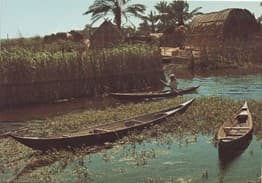
The Iraqi Marshes are considered one of the oldest natural environments inhabited by humans, with a history spanning more than five thousand years. Originating in southern Iraq between the Tigris and Euphrates rivers, this unique ecosystem has been a cradle of civilization.
1. Ancient Times
Humans have called the Marshes home since the Sumerian era (c. 3000 BC), nurturing the rise of the world's first civilizations. Cities like Ur thrived near these waters, where the population developed a lifestyle based on fishing, agriculture, and reed construction—practices that have remarkably endured to this day.
2. The Islamic Era
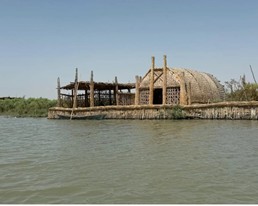
Throughout the Islamic periods, the Marshes played a pivotal role as natural sanctuaries. The inhabitants utilized the rich biodiversity for agriculture and water buffalo breeding. They also mastered the craft of the Mashhoof (canoe), fostering a distinct vibrant culture with unique customs and traditions.
3. The 20th Century
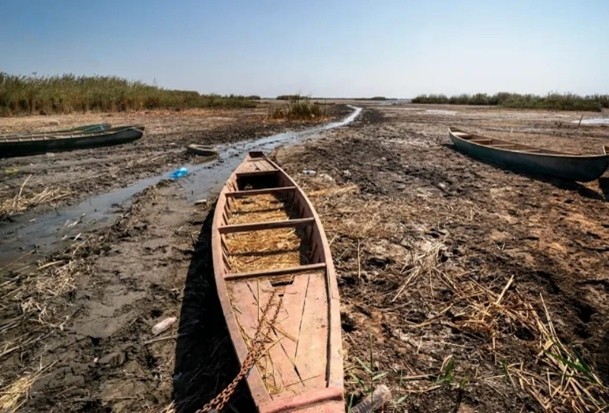
The 1990s witnessed a tragic turning point. The Marshes were subjected to systematic and extensive draining, which decimated vast areas of wetlands. This ecological catastrophe deepened with the forced displacement of the indigenous population, causing severe and lasting environmental and cultural damage.
4. After 2003: Revival
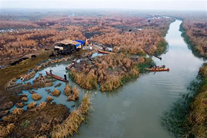
A new chapter began after 2003 with the launch of ambitious restoration projects. Water was reintroduced to the dry seabeds, breathing life back into the ecosystem. This restoration enabled a portion of the Marsh Arabs to return to their ancestral lands and resume their traditional way of life.
5. Global Recognition
In 2016, the Iraqi Marshes received their long-awaited due. They were inscribed on the UNESCO World Heritage List, a global acknowledgement of their outstanding value—historically, culturally, and environmentally.