A Unique Aquatic World
The Marsh environment is a unique natural wetland located in southern Iraq, distinguished by its blend of land and water. It consists of vast expanses of shallow waters, reeds, papyrus, and aquatic plants, creating an ecosystem unlike any other.
The Reed (Qasab)
Reeds are tall, strong plants reaching over 3 meters with thick stems, growing in shallow waters. They are crucial for shelter and construction.
- Khuss (Short Reed): Known for its water resistance and durability, lasting for decades.
- Hosh (Long Reed): Another variety used in traditional structures.
Sadly, local reeds have become scarce due to water shortages. Although reed houses remain, the material is often sourced from other cities like Hilla and Samawa, where it is less utilized than in the Marshes.
Birdlife of the Marshes
The Marshes are a haven for migratory birds, especially in winter. The region hosts unique species:
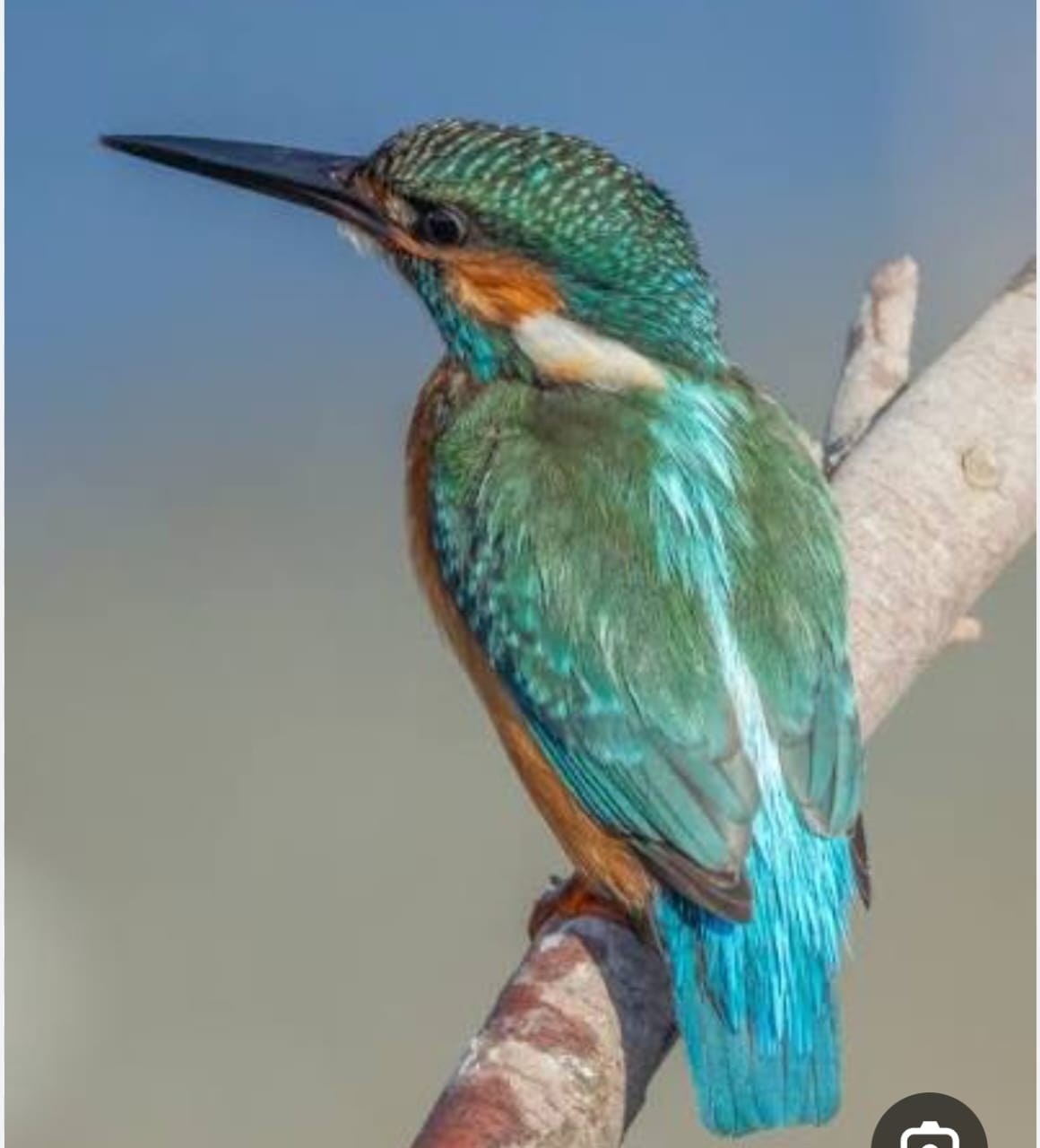
Al-Shakrraka (Kingfisher)
A green-hued bird that feeds on fish and nests in mud holes to protect its eggs.
Water Chicken (Gallinule)
Dark grey with a distinct red and yellow beak and long legs. It builds floating nests among the reeds.
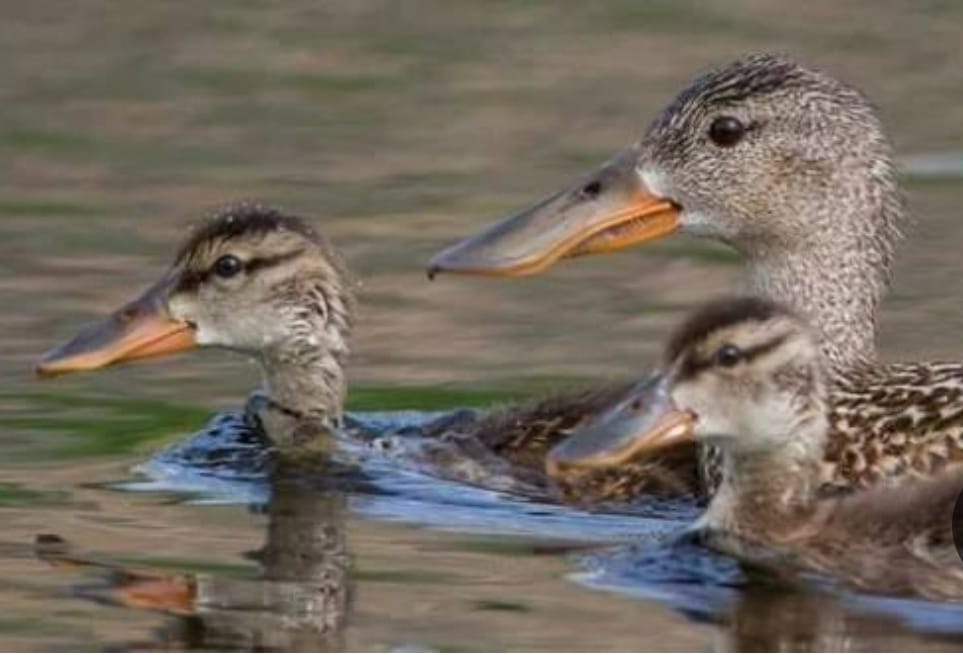
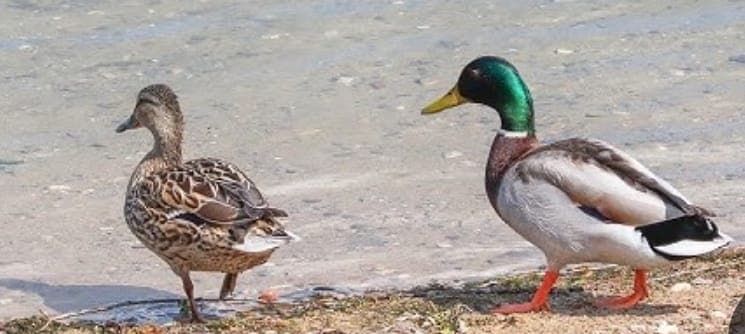
The Barbresh (Wild Duck)
Brown-spotted with an orange beak, seen swimming with its young near the banks.
The Khudairi
Similar to a duck but smaller, famous for its unique green-shelled eggs.
The Crisis of Water & Salinity
Life here relies entirely on water. Dropping levels and rising salinity are existential threats. High salinity (now reaching 2500-3000 in some areas) has made the water undrinkable and toxic to both reeds and fish.
This has led to the near extinction of the Bunni fish, a prized local delicacy. Once abundant, it is now a luxury imported at high prices (25,000-30,000 IQD), served only on special occasions as a symbol of pride.